How Artificial Roofs Reduce Maintenance After Midwest Wintertime Storms
Anyone who possesses a home in the Midwest learns quickly that winter season does not test a roofing system when. It evaluates it over and over. Snow lots build, daytime thaw loosens up water into seams, nighttime temperatures lock it back into ice, and wind maintains searching for a side to lift. By late February, also a strong roof can show the wear. Missing shingles, fractured tabs, loosened flashing, blocked valleys, discolored ceilings, and the slow drip that only shows up when the attic heats up, these recognize calls for roofer across Illinois and the higher Chicagoland area.
That is one reason a lot more property owners have started asking about synthetic roofs. Not because they are trendy, and not because every home requires one, yet since they solve a number of recurring upkeep troubles that standard products face after rough wintertime weather. When picked meticulously and installed well, artificial roofing systems can minimize breakage, dropped water better, stand up to influence, and hold their look with less treatment year after year.
For property owners in places like Chicago, Naperville, and the bordering suburbs, the concern is generally sensible: will this roofing indicate fewer repairs after a difficult winter months? In most cases, the solution is indeed. The details issue, however, especially the item type, the account, the attic room problems, and the ability of the team managing the artificial roof covering installation.
Midwest wintertime damage is rarely triggered by one event
The roofs that stop working after a storm are not always the roofing systems that took the deepest snow. More often, they are the roofings that were already vulnerable in a few little means. A breakable tile near the eave. A weak valley information. Blinking that served in October but no longer sealed securely https://salvoarchitecturalroofingcontractors.com/cookie-policy/ after weeks of growth and contraction.
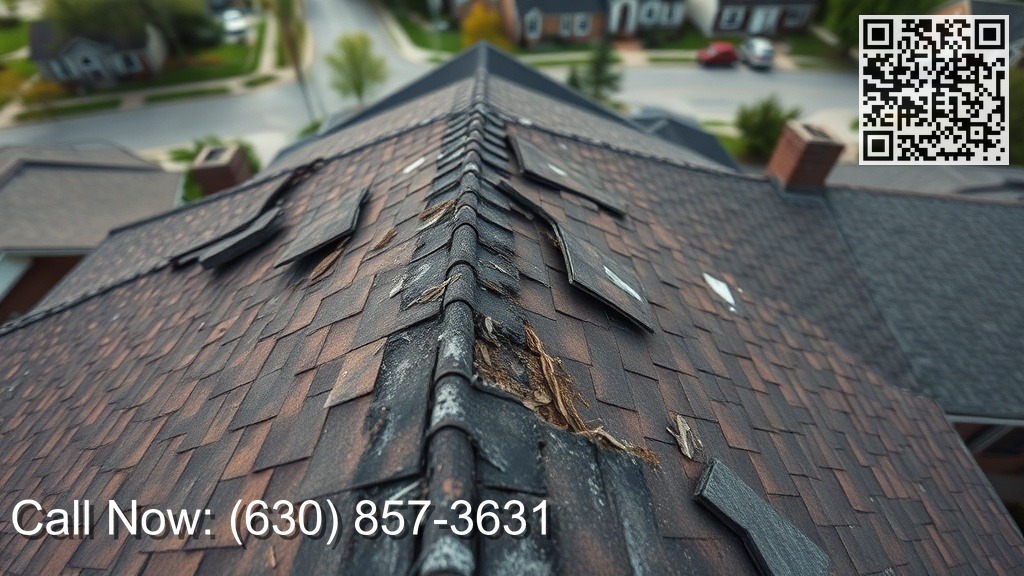
In the Midwest, winter season roof covering damages typically originates from a chain reaction. Snow accumulate. The house sheds heat erratically. Snow melts in cozy spots and runs downward up until it gets to a cold eave, where it ices up and forms ice. Much more water supports behind it. Wind-driven snow works into joints. After that the following freeze locks every little thing in place. If roofing material is vulnerable to cracking, crinkling, or absorbing dampness, maintenance calls tend to follow.
Traditional asphalt roof shingles can carry out well, especially higher-grade variations, yet in severe freeze-thaw environments they frequently reveal their age through granule loss, tab damages, and weakened seal strips. All-natural slate and cedar have their very own strengths, yet each includes maintenance truths. Slate is stunning and long lasting yet hefty, brittle under influence, and expensive to fix. Cedar has heat and personality, though moisture management is crucial and maintenance is ongoing.
This is where building artificial roof covering has actually acquired grip. It aims to provide the appearance of slate, shake, or ceramic tile while decreasing some of the upkeep problems those products can create after repeated wintertime stress.
Why artificial products take care of freeze-thaw cycles differently
A well-crafted artificial roofing item is crafted to be lighter, a lot more adaptable, and a lot more effect immune than several typical options. That flexibility matters in cold weather. When temperature levels turn from the teenagers to the mid-thirties and back once more, the roof surface area expands and agreements. Materials that become weak under those conditions can break. Products with a little offer are less most likely to crack at nail factors, sides, or anxiety lines.
That does not suggest every artificial product is equal. Premium synthetic roof covering varies extensively by producer, formulation, and guarantee assistance. Some items are formed polymers, some are rubber blends, and others are sophisticated composite products. The very best amongst them are created to withstand UV direct exposure, wetness absorption, and thermal activity without shedding form or structural integrity.
From a maintenance standpoint, the benefit is uncomplicated. When the roof covering material itself is less most likely to divide, chip, or loosen up in winter season, there are fewer opportunities for water breach after tornados. In useful terms, that can suggest fewer springtime fixing brows through, less emergency situation patches, and much less money invested chasing after separated leak points.
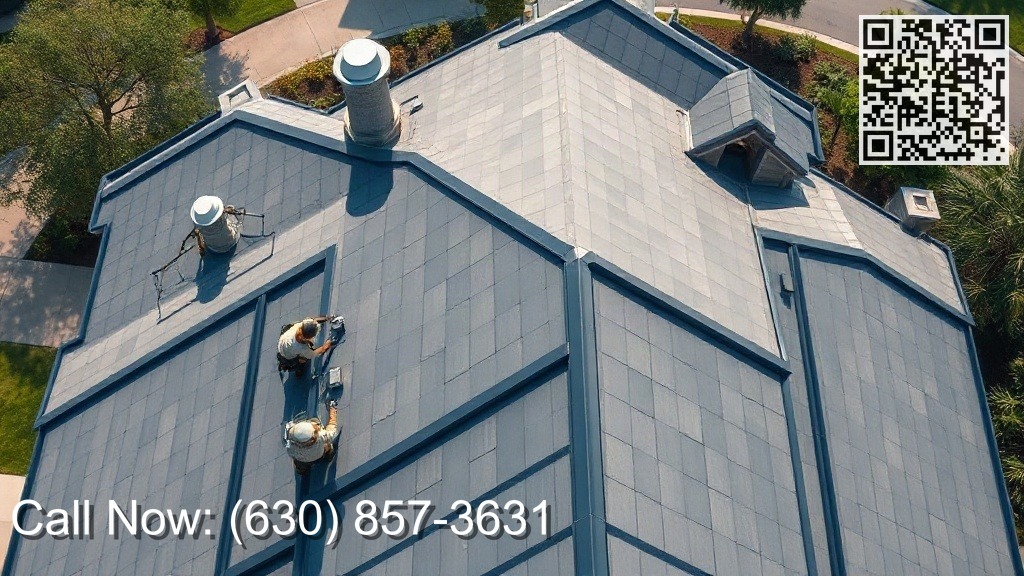
I have actually seen this play out a lot of plainly on steep roofs with complex geometry. An easy cattle ranch roofing is one point. A big custom-made home with dormers, hips, valleys, rock chimneys, and long eaves is an additional. On those homes, every roofing system information becomes extra subjected to snow drift, ice build-up, and wind pressure. Artificial roofing for luxury homes has ended up being specifically popular for that reason. Proprietors desire the appearance of cedar shake or slate, however they do not desire the annual worry that includes fragile materials and difficult winter season repairs.
Ice dams reveal weaknesses fast
No winter season roof conversation in the Midwest is complete without speaking about ice dams. Home owners have a tendency to blame the roof covering itself, but the real photo is extra challenging. Ice dams develop when warm loss from the home thaws snow over, then refreezes at the cooler side of the roofing. Air flow, insulation, air sealing, underlayment option, and roof covering design all play a role.
Still, the outer roof covering material issues. Some surface areas hold snow in a different way. Some profiles produce even more rubbing. Some products take in more moisture or degrade faster when water sits against them repeatedly. Artificial roof tiles and artificial slate profiles commonly provide a cleaner, a lot more regular surface that drops water well and does not weaken as quickly from intermittent cold. When coupled with proper ice-and-water protection at prone areas, they can lower the quantity of upkeep connected to dam-related infiltration.
That does not make a synthetic roof covering unsusceptible to ice dams. No liable synthetic roofer ought to guarantee that. If the attic room is leaking heat badly sufficient, ice will still form. But when ice does support, the roof covering setting up has a far better opportunity of holding the line if the material is secure, the underlayment is suitable, and the flashing information were implemented correctly.
A property owner in Naperville as soon as defined the difference after changing an aging cedar-look roofing system with an artificial choice. Prior to the replacement, every hefty snow seemed to create the very same routine: rake the reduced edge, watch for discoloring around a second-floor room, and require spot repair work in spring. After the new installment, in addition to attic room air sealing and upgraded underlayment, the winter months routine transformed. Snow still dropped, temperature levels still swung, however the duplicated leak issue quit. That result was not simply the product, however the product played a real role in creating an extra forgiving roof covering system.
Impact resistance matters greater than lots of homeowners realize
Midwest winters are not just regarding snow and ice. They likewise bring tree limb strikes, hail put inside cold fronts, and wind-driven debris. Roof coverings that survive winter with less repair services usually have one thing in common: they tolerate impact without prompt noticeable damage.
This is just one of the best disagreements for domestic synthetic roof. Several artificial items are rated for impact resistance at levels that outmatch more breakable alternatives. On paper, that sounds technological. In the area, it indicates a branch that could break an all-natural slate floor tile or wound an older shingle may leave much much less damages on a premium synthetic panel or shingle.
The maintenance advantage is not just fewer evident breaks. It is likewise less hidden ones. Some storm damage is subtle. A little fracture or leak might not leakage immediately, yet after more freeze-thaw cycles it ends up being a trouble. If the roofing material can take in that hit and continue to be intact, the home owner prevents the delayed repair service that commonly surfaces months later.
For homes under mature trees, this matters a lot. In neighborhoods across artificial roof covering Chicago solution areas, older whole lots are lined with oaks, maples, and elms. They add worth and charm, but winter tornados transform them right into roofing threats. A roof covering material that can shrug off the smaller impacts usually saves the proprietor from repeated maintenance calls.
Less weight, less structural concerns
Weight is not the initial point property owners consider after a winter tornado, however it should be part of the conversation, especially throughout an artificial roof replacement. Natural slate and clay floor tile are substantial products. They can last a long time, but their weight places real needs on the roof framework. In an area where roofs currently carry snow loads, a lighter roofing material offers useful advantages.
Synthetic roofings mimic the aesthetic deepness of much heavier materials while putting less anxiety on rafters and decking. That does not eliminate the requirement for architectural evaluation, but it simplifies many jobs and can make future upkeep a lot more manageable. Teams can work a lot more safely and successfully on a lighter system, and repairs, if they are ever needed, often tend to entail much less specific handling than delicate stone or tile.
That comes to be specifically relevant on older homes in the Midwest, where framing may be strong but not developed for the dead tons of costs natural products. A synthetic roof covering company that comprehends regional housing stock can assess whether a home is a good candidate for slate-look or shake-look synthetics without forcing unneeded structural modifications.
The installation quality still makes a decision a lot
A bad setup can mess up a great product. That is true for every single roof covering product, but it is especially crucial with synthetic systems due to the fact that house owners usually anticipate a near-premium outcome and low maintenance from the first day. If the attaching pattern is wrong, if the starter training courses are weak, if the valleys are reduced thoughtlessly, or if the flashings are reused when they should have been replaced, winter months will certainly subject those faster ways quickly.
The distinction between a roofing that cruises through February and one that needs March fixings commonly comes down to small details that never appear in marketing images. This is why picking experienced artificial roof installers matters as much as selecting the product itself. A trusted artificial roofing contractor Chicagoland home owners can rely upon ought to understand local snow patterns, ice dam areas, local code needs, attic room ventilation, and manufacturer-specific installation standards.
When I take a look at roofs that remain trouble-free after severe winters months, I typically see the very same things: careful flashing changes, solid edge describing, thoughtful snow and water monitoring, and a team that valued design and exposure lines. Synthetic roofing system setup is uncomplicated in the abstract, yet it does award technique. A roofing can look gorgeous from the street and still be susceptible if the system beneath was rushed.
Where maintenance savings really show up
Homeowners typically ask whether artificial roofings eliminate maintenance. They do not. No roofing system is maintenance-free, particularly in a Midwest climate. Gutters still require cleaning. Flashings still should have assessment. Branches still require trimming. Sealants around infiltrations still age. What adjustments is the frequency and seriousness of material-related repairs.
The savings often tend to turn up in a couple of specific ways:
- fewer split or damaged field pieces after freeze-thaw cycles
- less replacement job after minor limb strikes or hail storm events
- fewer reoccuring leak investigations connected to fragile, aging roofing system surfaces
- less cosmetic wear and tear on high-visibility roofing planes
- longer periods prior to a major artificial roofing system substitute comes to be necessary
That is not an assurance of lower expense in every year. The upfront financial investment for premium artificial roof is typically more than conventional asphalt. For some homes, particularly easy rooflines on small budgets, building shingles continue to be the best solution. However on larger homes, high slopes, customized styles, or residential or commercial properties where owners desire the appearance of slate or cedar without the exact same upkeep account, the lifecycle formula usually favors synthetic materials.
Aesthetic longevity becomes part of upkeep, too
Homeowners generally think of upkeep as leaks and repair work. Look belongs in the conversation too. Winter months is tough on the appearance of a roofing. Repeated wetness direct exposure, ice scratching, blown debris, and sunlight glow mirroring off snow can age lower-grade products quickly. Discoloring, spotting, busted edges, and unequal wear make a roof covering look tired long prior to it stops working structurally.
Premium synthetic roof covering items are typically chosen because they hold their account and color well. That matters on visible front elevations, yet it matters even more on homes with complicated roofing architecture where patchy wear sticks out. A roofing system that maintains its form and coating via numerous winters months needs less place repairs for look alone.
This is a huge reason artificial roof covering for deluxe homes has actually located such a strong particular niche. On high-end residential projects, proprietors care about long-lasting visual consistency. They desire the roof covering to age gracefully, not start looking mismatched after the very first fixing cycle. Since many artificial lines are created with combined color patterns and molded texture, substitute pieces can incorporate more normally than fixings on weather-beaten timber shake or weak stone.
Not every home needs the very same synthetic roof covering system
One blunder I see is dealing with all artificial roofs as compatible. They are not. The appropriate system depends on the home, the area, the exposure, and the proprietor's priorities.
A steep Tudor in a gusty passage outside Chicago may take advantage of a slate-profile synthetic with durable fastening and high wind resistance. A large transitional home in Naperville may call for a shake-look product that complements stonework and wide roofing planes. A historic-style residence might require a much more refined account with shadow lines that mimic hand-split cedar or quarried slate. A lake-influenced microclimate might put added emphasis on moisture dropping and bolt durability.
That is where a skilled artificial roof covering company adds value. The job is not just offering a category. It is matching the item to your house. Good specialists ask the appropriate questions: How much tree cover exists? Are ice dams a background on this home? What does the attic room ventilation look like? Exist previous leak locations around smokeshafts or skylights? Is the property owner preparation to remain enough time to take advantage of the lifecycle value?
For those exploring synthetic roof Naperville IL or more comprehensive artificial roofing Chicago options, neighborhood environment expertise is not a minor information. It is main to the recommendation.
What homeowners need to ask before moving forward
The finest synthetic roofing jobs start with a practical discussion, not a sales pitch. Home owners need to understand both the advantages and the limitations of the material, along with what else requires to happen to reduce winter season maintenance.
A valuable discussion with an artificial roofing contractor should cover these factors:
- whether the roof deck, ventilation, and insulation require modification before installation
- what effect and wind scores the specific item carries
- how valleys, flashings, ridge details, and eaves will certainly be handled
- what maintenance is still suggested after significant winter season storms
- how the warranty relates to materials versus workmanship
Those questions reveal a lot concerning the professional. Clear, particular solutions typically indicate field experience. Unclear guarantees about a roof covering that will never need interest generally indicate the opposite.
The functional trade-off: greater upfront expense, lower disruption later
The major reluctance with synthetic roofing systems is price. That doubt is reasonable. Synthetic materials generally sit over basic asphalt in price, and some costs lines approach the installed expense of various other premium roof groups. House owners ought to not be pressed past their budget in quest of a product they do not in fact need.
At the very same time, expense must be considered against disruption. Repetitive winter season fixings bring their own rate, not just in billings but in scheduling, interior risk, and property owner stress and anxiety. A leak that appears throughout a deep freeze rarely gets an excellent repair instantly. It gets a stablizing go to, then a follow-up, after that maybe interior repair services after thaw. Avoiding that cycle has actually value.
For many houses, specifically those with requiring timetables or second-story roofing intricacy, the most effective upkeep strategy is decreasing the variety of winter-related roof occasions in the first place. That is where synthetic roofing systems make their maintain. They do not quit wintertime from being winter. They simply provide the home an extra resistant covering against the type of repetitive punishment Midwest weather condition delivers.
Why this selection keeps making headway in the Midwest
The raised interest in artificial roof replacement across Illinois is not hard to understand. Property owners want sturdiness, lower maintenance, building character, and an item that takes on real weather instead of showroom problems. Home builders and remodelers desire products that set up cleanly and perform constantly. Contractors want systems that minimize callbacks. Artificial roof sits at that intersection.
When specified appropriately, building artificial roofing can supply the look of costs products with a much more forgiving maintenance profile after heavy snow, ice, hailstorm, and freeze-thaw cycling. That is a purposeful advantage in this region. It does not replace excellent insulation, good ventilation, or great craftsmanship. It does support all three.
After enough Midwest wintertimes, many house owners come to be much less interested in roofing concept and more curious about functional results. Does the roofing stand up? Does it avoid reoccuring trouble spots? Does it keep your home dry without consistent intervention? On many homes, specifically those with complex rooflines or a background of wintertime damages, the solution is increasingly discovered in high-quality synthetic roofings mounted by specialists that comprehend the environment they are constructing for.
When Quality Matters
Salvo Architectural Roofing Contractors
566 West 5th Ave Naperville, IL 60563
(630) 857-3631
 Ask ChatGPT
 Ask Grok
 Ask Perplexity
 Ask Claude
 Ask Google AI
 Ask You